
Articles
View educational articles, resource lists, and guiding materials designed to help students succeed in STEM.
-

February 11th – International Day of Women and Girls in Science
February 11th is widely recognized as the International Day of Women and Girls in Science. This holiday promotes equal access for women and girls in scientific fields and acknowledges the important contributions and innovations of female scientists. Strong representation and frequent positive role models are integral to building self-confidence and a sense of belonging in…
-
February 3rd – National Women Physician’s Day
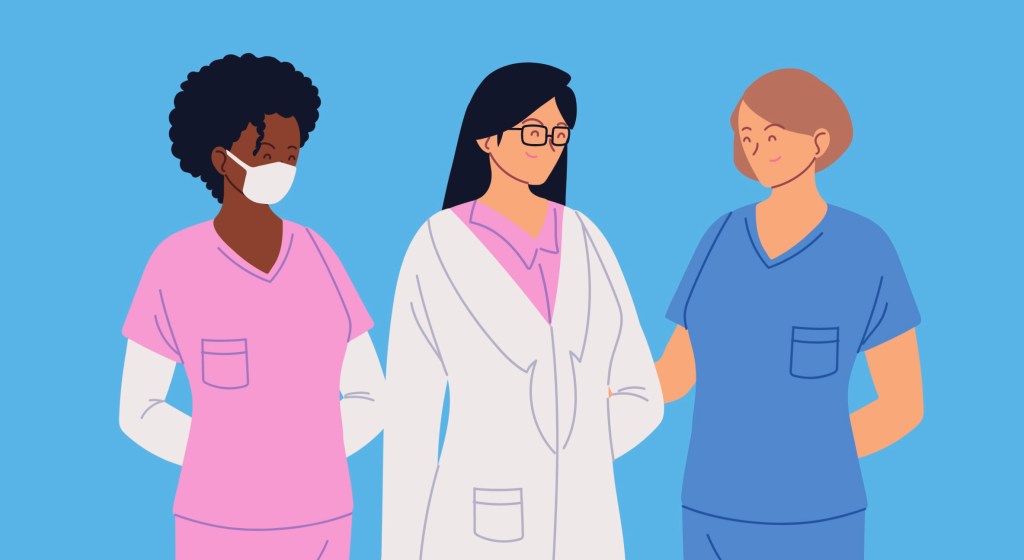
In 1849, Dr. Elizabeth Blackwell became the first woman in the United States to receive a medical degree. Her birthday, February 3rd, now honors the contributions and achievements of female physicians and acknowledges ongoing efforts to achieve gender equality in healthcare. Elizabeth Blackwell began her medical education during a time when no medical schools for…
-
Reflections on a Career in Engineering: Q&A With Dr. Paulette Clancy
Dr. Paulette Clancy, an accomplished researcher and professor of chemical and biomolecular engineering at Johns Hopkins University, reflects on the many facets of her scientific journey. In this interview, she discusses her career trajectory and most meaningful projects, advice for young scientists, and more.
-
October 8th, 2024 – Acknowledging Ada Lovelace Day
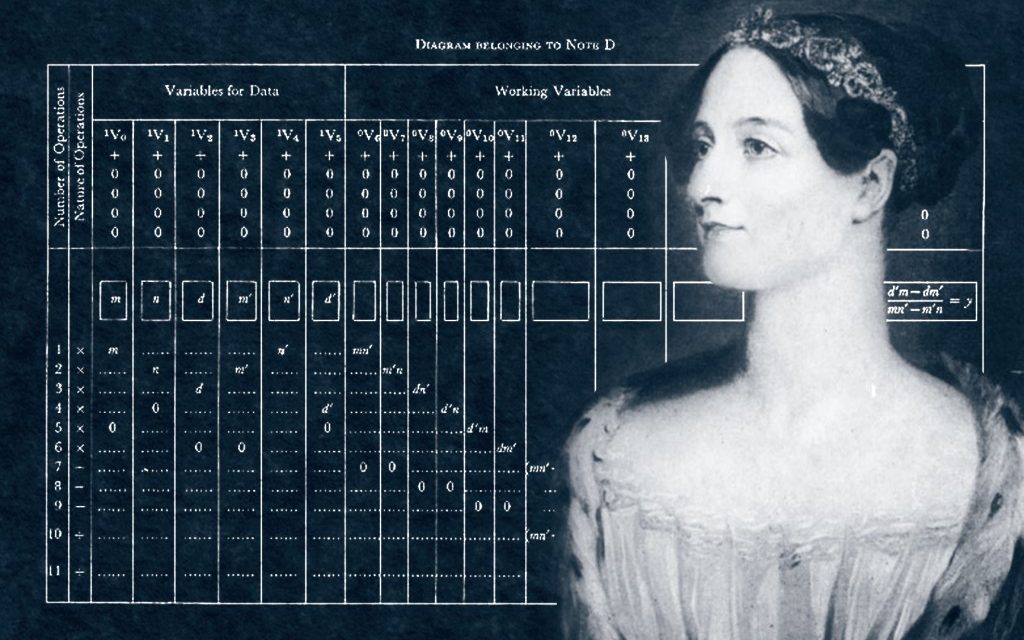
Ada Lovelace Day, celebrated annually on the second Tuesday of October, honors Ada Lovelace, a 19th-century mathematician who is considered the world’s first computer programmer. This important day celebrates her contributions to technology and highlights the achievements of women in STEM (science, technology, engineering, and mathematics) across the world. These celebrations raises awareness about gender…
-
Diverse Perspectives Propelling Innovation at Case Western Reserve University
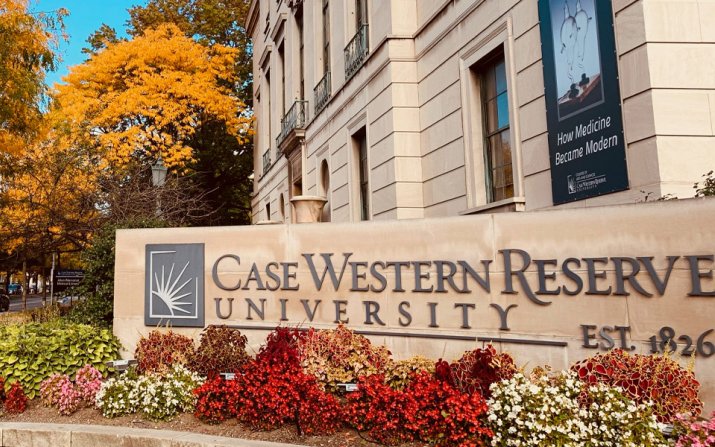
Dr. Julie Renner is an associate professor in the Department of Chemical Engineering at Case Western Reserve University. Hailing from North Dakota and earning her BS in Chemical Engineering from the University of North Dakota and her Ph.D. in Chemical Engineering from Purdue University, Dr. Renner’s scientific career has spanned across industry and academia, giving…
I’m Isabella, an undergraduate student passionate about sharing the world of science and educating my community. Thank you for visiting Diverse Discoveries.
Subscribe and be the first to discover new content!

